
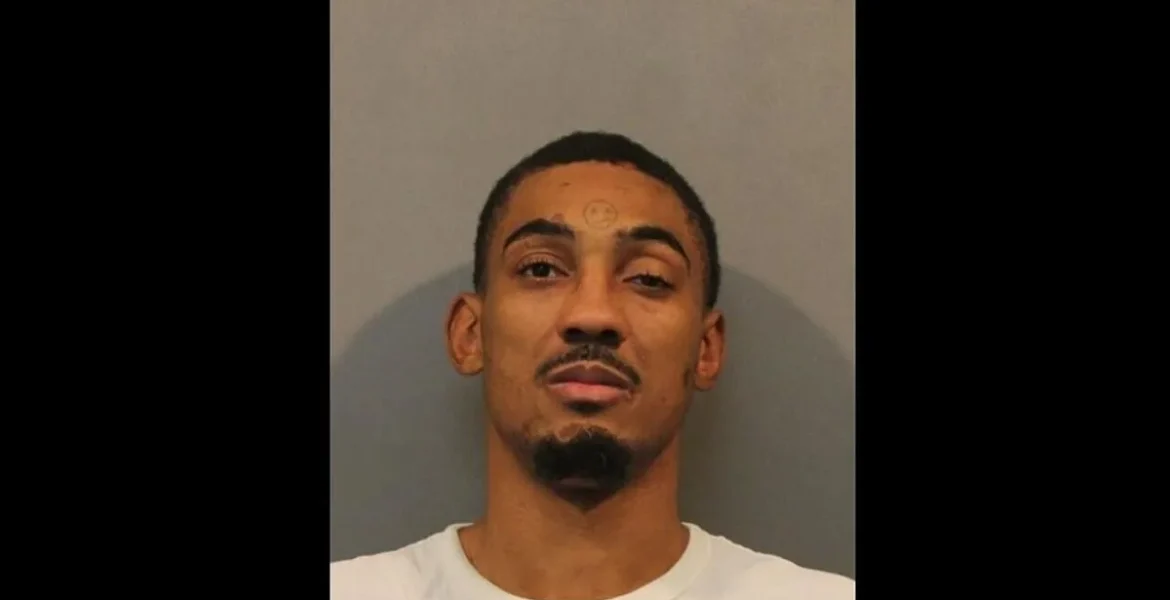
Jury Convicts Hammond Man in Crown Point of Murdering Ex-Wife After Homophobic Remark During Argument, Ending Four-Day Trial With Guilty Verdict on Intentional Shooting
CROWN POINT, IN — A Lake Criminal Court jury found a Hammond man guilty of murdering his ex-wife after a four-day trial in Crown Point. Prosecutors said the case centered on a confrontation in December 2024 that ended with Tiffany Woods being shot and killed.
Allen Woods admitted he chased Tiffany Woods after an argument and fired the fatal shot, according to testimony heard in court. He had been charged with murder and a firearm enhancement. Jurors returned their verdict Thursday afternoon after hearing from witnesses, police and the attorneys who presented sharply different accounts of Woods’ state of mind.
Prosecutors said the confrontation began with a homophobic remark
During closing arguments, Lake County Prosecutor’s Office attorneys said the argument escalated after Tiffany Woods made a homophobic comment toward Allen Woods. Prosecutors told jurors that the remark helped trigger the violence, which they described as an intentional killing rather than a spontaneous accident.
Allen Woods testified that he and Tiffany Woods had been separated for about 13 years and later divorced in 2020, but they continued to co-parent and split bills for their child. On Christmas Day 2024, he said, they spent the day together with their children and relatives before the confrontation that night. Prosecutors said the two had argued about sharing rent for the home where Tiffany Woods and the daughters lived.
Allen Woods testified he was angered, then shot her
On the witness stand, Allen Woods said he became enraged during the exchange. He testified that after Tiffany Woods used a homophobic slur against him, he chased her, put on his glasses, got out of the car and ran after her.
He told jurors that he then shot her in the head. According to testimony, he said he remembered details of the shooting only hazily afterward because his memory became “fuzzy.” Prosecutors used that account to argue he had acted with intent, while the defense maintained the evidence did not show a calculated killing.
Woods also testified that the couple had stayed cordial for years after the divorce and had spent holidays together with their children. He said the shooting was not planned and that he did not go to the home that day with any intention of killing Tiffany Woods.
Witnesses described Tiffany Woods being chased and shot
Police and other witnesses said Tiffany Woods appeared expressionless, or “zombie-like,” as Allen Woods chased her. Some witnesses said she looked scared and screamed for help while he pursued her with a gun.
According to testimony, a switch flipped in the moments after the argument, and Tiffany Woods was shot after trying to run. Police responded to the area of Cleveland Street and Jackson Avenue shortly before 2:20 p.m. on Dec. 25, 2024, after 911 calls about the shooting. Tiffany Woods was pronounced dead at the scene from a gunshot wound to the head.
The jury also heard that Allen Woods had earlier threatened to kill Tiffany Woods. Prosecutors said that threat, along with the chase and shooting, supported the murder charge. Witnesses said multiple people saw the aftermath, including a woman being chased down by a man with a gun.
Defense argued the shooting was not calculated murder
Defense attorney John Cantrell argued that murder requires proof of knowing or intentional killing, and said Allen Woods’ reaction was not the result of a calculated plan. He told jurors that the defendant was emotional, not methodical, and that the killing happened in the heat of the argument.
Cantrell also said the homophobic comment led Woods to “snap” and that the evidence did not show a person who had mapped out a murder in advance. He pointed to the fact that several witnesses saw Woods in an agitated, uncontrolled state and said the couple’s long history made the day’s events more complicated than a simple premeditated attack.
At one point during the trial, Woods acknowledged telling a police officer that he had “blackened out.” Defense lawyers used that statement to argue that his memories of the moment were impaired and that the state had not proved the mental state required for murder.
Former spouses had shared children and a long, complicated relationship
The testimony painted a picture of two people who remained connected after their divorce. Allen Woods said they continued to co-parent, split bills and spend time together with their children, even though they were no longer married.
He testified that on Christmas Day the family gathered together for the holiday, and that he and Tiffany Woods had been cordial despite their breakup. He also said that at one point he was dating another woman before meeting Tiffany Woods, and that the couple had once discussed rent arrangements for the home where she lived with the daughters.
Prosecutors said those ties did not excuse what happened in the fatal encounter. They argued that Allen Woods chose to chase and shoot Tiffany Woods after the argument, turning a domestic dispute into a homicide. The jury ultimately agreed and found him guilty.
Sentencing is set for Oct. 24
After the verdict, the case moved toward sentencing. Allen Woods is scheduled to be sentenced on Oct. 24, and the murder conviction makes him subject to a significant prison term under Indiana law.
Prosecutors had also pursued a firearm enhancement in the case, reflecting the use of a gun in the killing. The trial drew repeated references to the moments immediately before the shooting, the chase that followed the argument and the witnesses who saw the aftermath in Crown Point.
The case closed a four-day proceeding that focused on intent, memory and the question of whether the killing was a deliberate act or an explosive reaction to a verbal insult. Jurors answered that question with a guilty verdict.
A Lake Criminal Court jury found a Hammond man guilty of murdering his ex-wife after a four-day trial in Crown Point. Prosecutors said the case centered on a confrontation in December 2024 that ended with Tiffany Woods being shot and killed.
Allen Woods admitted he chased Tiffany Woods after an argument and fired the fatal shot, according to testimony heard in court. He had been charged with murder and a firearm enhancement. Jurors returned their verdict Thursday afternoon after hearing from witnesses, police and the attorneys who presented sharply different accounts of Woods’ state of mind.
Prosecutors said the confrontation began with a homophobic remark
During closing arguments, Lake County Prosecutor’s Office attorneys said the argument escalated after Tiffany Woods made a homophobic comment toward Allen Woods. Prosecutors told jurors that the remark helped trigger the violence, which they described as an intentional killing rather than a spontaneous accident.
Allen Woods testified that he and Tiffany Woods had been separated for about 13 years and later divorced in 2020, but they continued to co-parent and split bills for their child. On Christmas Day 2024, he said, they spent the day together with their children and relatives before the confrontation that night. Prosecutors said the two had argued about sharing rent for the home where Tiffany Woods and the daughters lived.
Allen Woods testified he was angered, then shot her
On the witness stand, Allen Woods said he became enraged during the exchange. He testified that after Tiffany Woods used a homophobic slur against him, he chased her, put on his glasses, got out of the car and ran after her.
He told jurors that he then shot her in the head. According to testimony, he said he remembered details of the shooting only hazily afterward because his memory became “fuzzy.” Prosecutors used that account to argue he had acted with intent, while the defense maintained the evidence did not show a calculated killing.
Woods also testified that the couple had stayed cordial for years after the divorce and had spent holidays together with their children. He said the shooting was not planned and that he did not go to the home that day with any intention of killing Tiffany Woods.
Witnesses described Tiffany Woods being chased and shot
Police and other witnesses said Tiffany Woods appeared expressionless, or “zombie-like,” as Allen Woods chased her. Some witnesses said she looked scared and screamed for help while he pursued her with a gun.
According to testimony, a switch flipped in the moments after the argument, and Tiffany Woods was shot after trying to run. Police responded to the area of Cleveland Street and Jackson Avenue shortly before 2:20 p.m. on Dec. 25, 2024, after 911 calls about the shooting. Tiffany Woods was pronounced dead at the scene from a gunshot wound to the head.
The jury also heard that Allen Woods had earlier threatened to kill Tiffany Woods. Prosecutors said that threat, along with the chase and shooting, supported the murder charge. Witnesses said multiple people saw the aftermath, including a woman being chased down by a man with a gun.
Defense argued the shooting was not calculated murder
Defense attorney John Cantrell argued that murder requires proof of knowing or intentional killing, and said Allen Woods’ reaction was not the result of a calculated plan. He told jurors that the defendant was emotional, not methodical, and that the killing happened in the heat of the argument.
Cantrell also said the homophobic comment led Woods to “snap” and that the evidence did not show a person who had mapped out a murder in advance. He pointed to the fact that several witnesses saw Woods in an agitated, uncontrolled state and said the couple’s long history made the day’s events more complicated than a simple premeditated attack.
At one point during the trial, Woods acknowledged telling a police officer that he had “blackened out.” Defense lawyers used that statement to argue that his memories of the moment were impaired and that the state had not proved the mental state required for murder.
Former spouses had shared children and a long, complicated relationship
The testimony painted a picture of two people who remained connected after their divorce. Allen Woods said they continued to co-parent, split bills and spend time together with their children, even though they were no longer married.
He testified that on Christmas Day the family gathered together for the holiday, and that he and Tiffany Woods had been cordial despite their breakup. He also said that at one point he was dating another woman before meeting Tiffany Woods, and that the couple had once discussed rent arrangements for the home where she lived with the daughters.
Prosecutors said those ties did not excuse what happened in the fatal encounter. They argued that Allen Woods chose to chase and shoot Tiffany Woods after the argument, turning a domestic dispute into a homicide. The jury ultimately agreed and found him guilty.
Sentencing is set for Oct. 24
After the verdict, the case moved toward sentencing. Allen Woods is scheduled to be sentenced on Oct. 24, and the murder conviction makes him subject to a significant prison term under Indiana law.
Prosecutors had also pursued a firearm enhancement in the case, reflecting the use of a gun in the killing. The trial drew repeated references to the moments immediately before the shooting, the chase that followed the argument and the witnesses who saw the aftermath in Crown Point.
The case closed a four-day proceeding that focused on intent, memory and the question of whether the killing was a deliberate act or an explosive reaction to a verbal insult. Jurors answered that question with a guilty verdict.
