
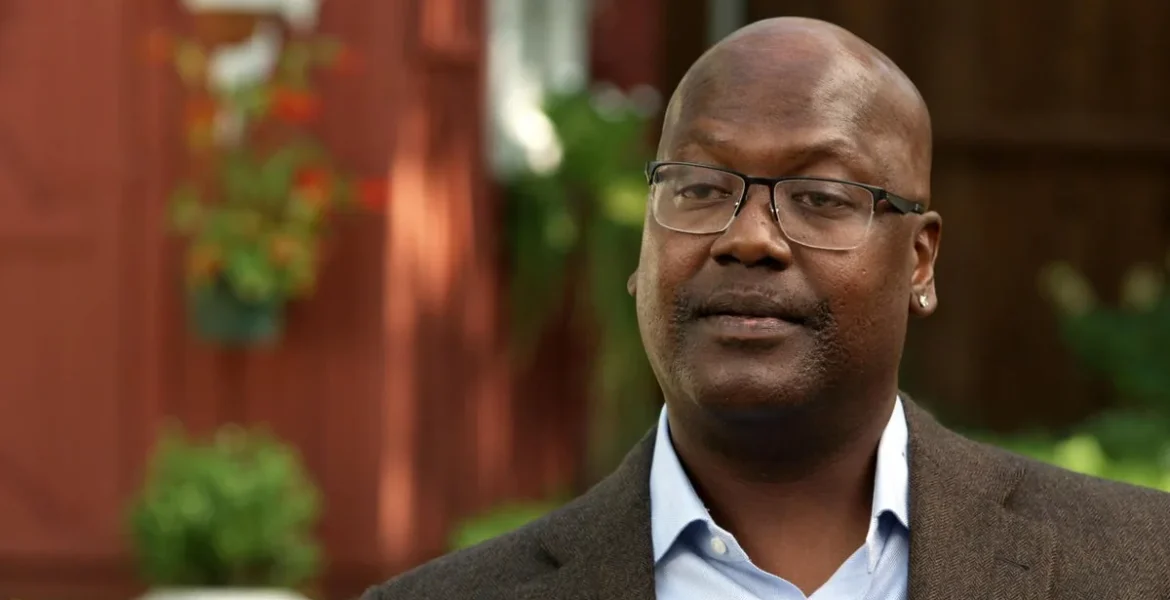
Curtis Flowers, Mississippi Man Wrongly Convicted in Six Trials Over One 1996 Winona Furniture-Store Quadruple Killing, Dies at 56 After Decades on Death Row
WINONA, MS — Curtis Flowers, the Mississippi man who endured six trials for the same four killings and spent years on death row before his conviction was overturned, has died at 56.
His family confirmed that Flowers died Wednesday at his home in Winona, Mississippi, according to attorney Rob McDuff, who represented him. McDuff said no cause of death was given. CBS News said it had reached out to the coroner.
Flowers’ case became a national example of a wrongful conviction battle that stretched across decades, with repeated trials, overturned verdicts and questions about jury selection and prosecutorial conduct.
A 1996 Winona shooting that launched a 23-year legal fight
The case began on a July morning in 1996, when four people were shot execution-style in Winona: the owner of Tardy Furniture, a bookkeeper, a delivery man and a 16-year-old. Flowers had briefly worked at the store that summer, but he was fired after failing to show up after three days.
Police questioned him after the killings, but he was not arrested then. He later moved to Texas to live with his sister, and authorities arrested him there in January 1997. Flowers had no prior criminal history.
The murder weapon was never found. Investigators also did not uncover DNA or fingerprints tying him to the crime, facts that later became central to his defense.
Six trials, two mistrials and repeated overturned convictions
Flowers was first tried in 1997. An all-White jury convicted him after about an hour of deliberation, and he was sentenced to death at age 27.
That conviction was reversed on appeal, but the case did not end there. He was tried five more times for the same killings by the same prosecutor, District Attorney Doug Evans. Three more convictions were later overturned, and two trials ended in mistrials.
McDuff later described the prosecution as unlike anything he had seen in American law. In a 2021 interview with CBS News, he said the first three convictions were overturned because of misrepresentation of evidence and discrimination in jury selection.
Questions about jury selection followed the prosecution for years
Flowers’ legal team and later investigators focused heavily on the racial makeup of the juries and the prosecution’s use of peremptory strikes. Across all six trials, 61 of the 72 jurors were White, and all 61 voted to convict.
That pattern drew attention from reporters at American Public Media’s podcast In the Dark, whose investigation revisited the case in depth. Their reporting prompted witnesses to recant, including one person who had said Flowers confessed.
The podcast also reviewed decades of court data and found that Evans had excluded Black prospective jurors at a disproportionate rate. Those findings became part of the broader public understanding of how the case had unfolded.
Supreme Court ruling said Mississippi violated Flowers’ rights
In 2019, the U.S. Supreme Court ruled that Evans and the state of Mississippi had violated Flowers’ constitutional rights and overturned his conviction again.
Justice Brett Kavanaugh wrote for the court that there had been a “relentless, determined effort to rid the jury of Black individuals.” Six months later, Flowers was released on bail, leaving jail for the first time in 23 years.
The decision marked the final reversal in a case that had already wound through years of appeals, mistrials and retrials. It also freed Flowers after he had spent nearly a generation behind bars.
Flowers described release as a moment he could hardly believe
After his release, Flowers spoke about the experience of finally walking free. In 2021, he told CBS News that he felt as if he were floating and said he was simply ready to go when he left jail.
His words reflected the shock and relief of a man who had lived through repeated death sentences, years of litigation and a long fight to clear his name. For supporters, the case stood as a warning about how easily a prosecution can go wrong when flawed evidence and jury discrimination intersect.
Flowers’ death closes a case that changed conversations about wrongful convictions in Mississippi and beyond, even as the damage from the original prosecution could never be undone.
